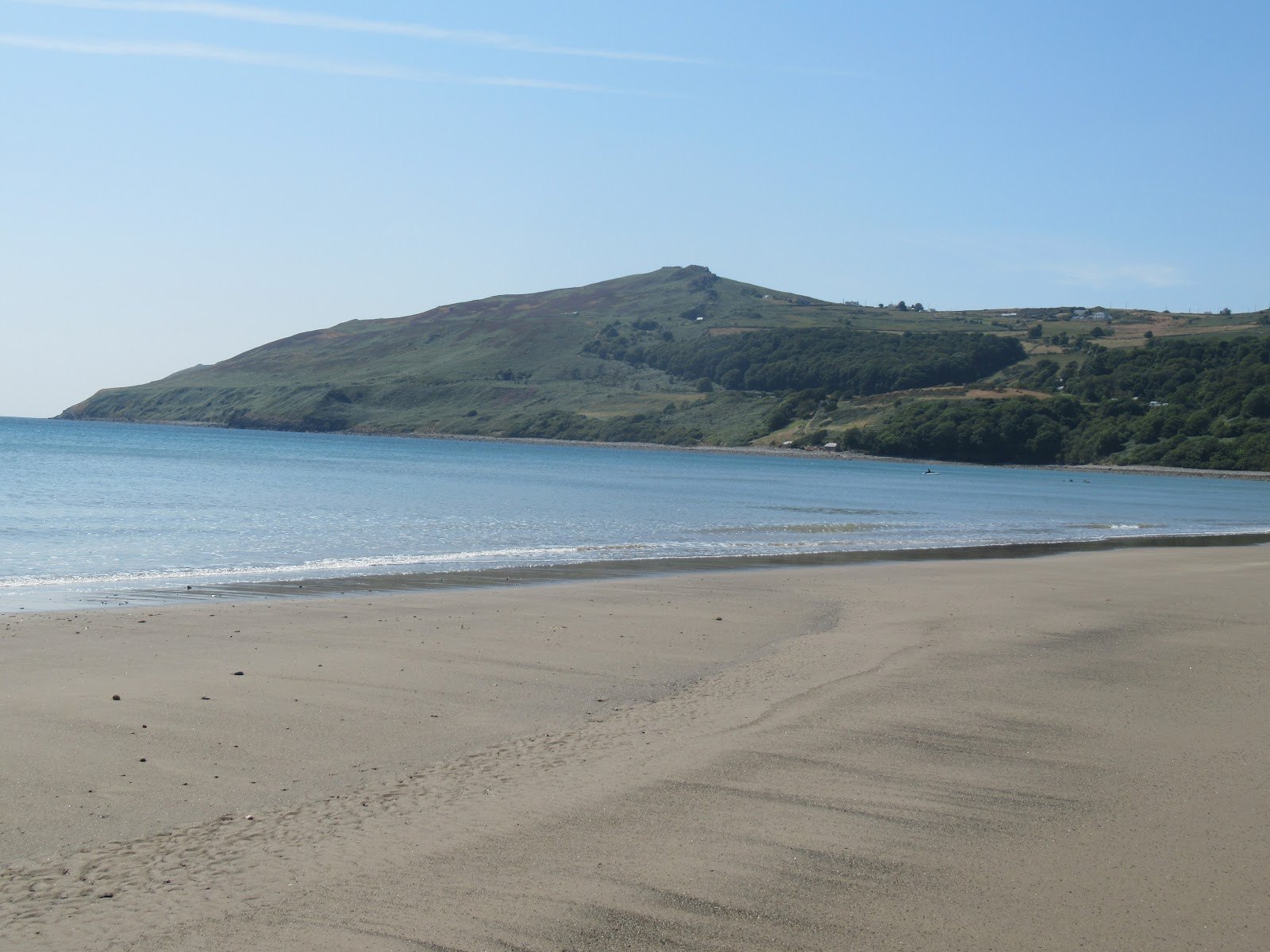
Porth Neigwl beach and headland, looking along the open bay

Safety

Rip currents, lifeguard status, what to do if you get into trouble, the Porth Neigwl beach safety notice and dog rules by beach.

Porth Neigwl — Hell's Mouth — is not lifeguarded, and is known for strong rip currents and shifting sandbars. It suits intermediate and advanced surfers who are confident in open water.

On big swell days, Porth Ceiriad is not for beginners. A motor boat exclusion zone on Abersoch Bay keeps bathers safe.

Abersoch's first lifeboat station was at Penrhyn Dû, operating 1844–1853. An RNLI station at Abersoch operated 1869–1931, and the inshore lifeboat station was established in 1965. The present building dates from 1994.

Where these notes apply

Porth Neigwl

Hell's Mouth

Sports suited

Surfing · Kitesurfing

Who it suits
Intermediate and advanced surfers confident in open water
Best conditions
  • South-west facing
  • Pebbly at high tide, with large expanses of sand at low tide
Lifeguard
Not lifeguarded
Facilities
  • Limited parking

If you get into trouble

  1. Rip currents are powerful channels of water that become more powerful in larger surf. They are also found around river mouths, estuaries and man-made structures.
  2. If you are caught in a rip current, do not swim against it. If you can stand, wade. Swim parallel to the shore until you are free, then head for shore, and raise a hand and shout for help.
  3. If you are struggling, Float to Live: tilt your head back with your ears submerged, relax and control your breathing, and move your hands and legs to stay afloat. It is fine if your legs sink.
  4. In a coastal emergency, call 999 or 112 and ask for the Coastguard.

Good to know

  • The Porth Neigwl beach safety notice warns of strong currents and large breaking waves, and of a steep shelving beach with deep water at high tide. The cliffs there are unstable boulder clay with regular landslips: do not climb or dig into them, and keep away from both the cliff edge and the base of the cliff.
  • It also warns visitors to take care with inflatables in strong winds and to beware of power kites. Offshore winds blow from the shore out to sea and can quickly blow a paddleboarder far out — the RNLI and Paddle UK advise never to launch paddleboards or other inflatable craft in offshore winds.
  • Visitors are advised to follow Adventure Smart and RNLI safety guidance. The Atlantic 85 lifeboat Peter and Ann Setten has been on station at Abersoch since 2015, and in 1870 the Rev Owen Lloyd Williams received the RNLI Silver Medal for rescuing 13 men from the ship Kenilworth.
  • Dogs are allowed at Porth Ceiriad all year. Abersoch Beach has seasonal dog restrictions.
Read the safety page

Common questions

Is Hell's Mouth lifeguarded?
No. Porth Neigwl is not lifeguarded, and is known for strong rip currents and shifting sandbars.
What should I do if I am caught in a rip current?
Do not swim against it. If you can stand, wade. Swim parallel to the shore until you are free, then head for shore, and raise a hand and shout for help. If you are struggling, Float to Live: tilt your head back with your ears submerged, relax and control your breathing, and move your hands and legs to stay afloat.
What does the Porth Neigwl beach safety notice say?
It warns of strong currents, large breaking waves, a steep shelving beach with deep water at high tide, unstable cliffs and power kites, and says to take care with inflatables in strong winds.
Who do I call in a coastal emergency?
Call 999 or 112 and ask for the Coastguard.
What is the RNLI station at Abersoch?
An inshore lifeboat station, established in 1965, with the present building dating from 1994. The Atlantic 85 lifeboat Peter and Ann Setten has been on station at Abersoch since 2015.
Related disciplines